The little secrets hiding in your favourite spirits.
Every bottle has a story, and some are more surprising than you’d expect. Tequila, for instance, isn’t just a drink — it’s a place. It earns its name only when it’s crafted in Mexico from blue agave, otherwise it’s simply agave spirit. Whisky takes its time—three years in oak before it’s even allowed to introduce itself as “whisky.” Rum carries echoes of its past, once traded like currency across the Caribbean. Gin doesn’t wait to age; its personality comes from botanicals that give it character straight from the still. And then there’s the twist most people miss: clear spirits don’t mean light spirits — vodka and gin can be just as bold in strength as any deep-amber whisky. These are the quiet details that turn a shelf of bottles into a world of stories, traditions and craft.
In the whisky world, “malt” can sound complicated
—but the difference is actually quite straightforward.
The word itself often feels technical, but at its core, “malt” simply means whisky made primarily using malted barley. That’s it. No hidden language. No complex definition. And once that basic idea is clear, the category becomes far easier to understand—without losing its sophistication.
A Single Malt simply refers to whisky produced at one single distillery.
It can still be aged in different barrels and blended across different casks within that same brand — but its identity is tied to one origin. That singularity often gives it a very defined character and a consistent flavour style.
A Double Malt, on the other hand, is generally understood as a blend of two single malts from two different distilleries. It’s not an official regulatory category — but it is a common industry term. The intention behind it is to bring together two distinct profiles to create a more rounded, layered expression.


From grain to glass — the journey of malt whisky.
Malt whisky begins with one simple ingredient—barley. The grains are soaked in water until they sprout, unlocking natural sugars within. This sprouted barley (now called ‘malt’) is gently dried, then ground and mixed with hot water to extract a sweet liquid known as ‘wort’. Yeast is then added — transforming that sugar into alcohol through fermentation. The liquid is distilled in copper stills, refined and purified, then finally introduced to oak barrels. And here’s where the real transformation begins — slow ageing in wood shapes flavour, colour, aroma and depth. What starts as humble barley evolves, over time, into a spirit of character, elegance and unmistakable complexity — ready to be poured, appreciated and savoured.
Types of Tequila — time changes everything.
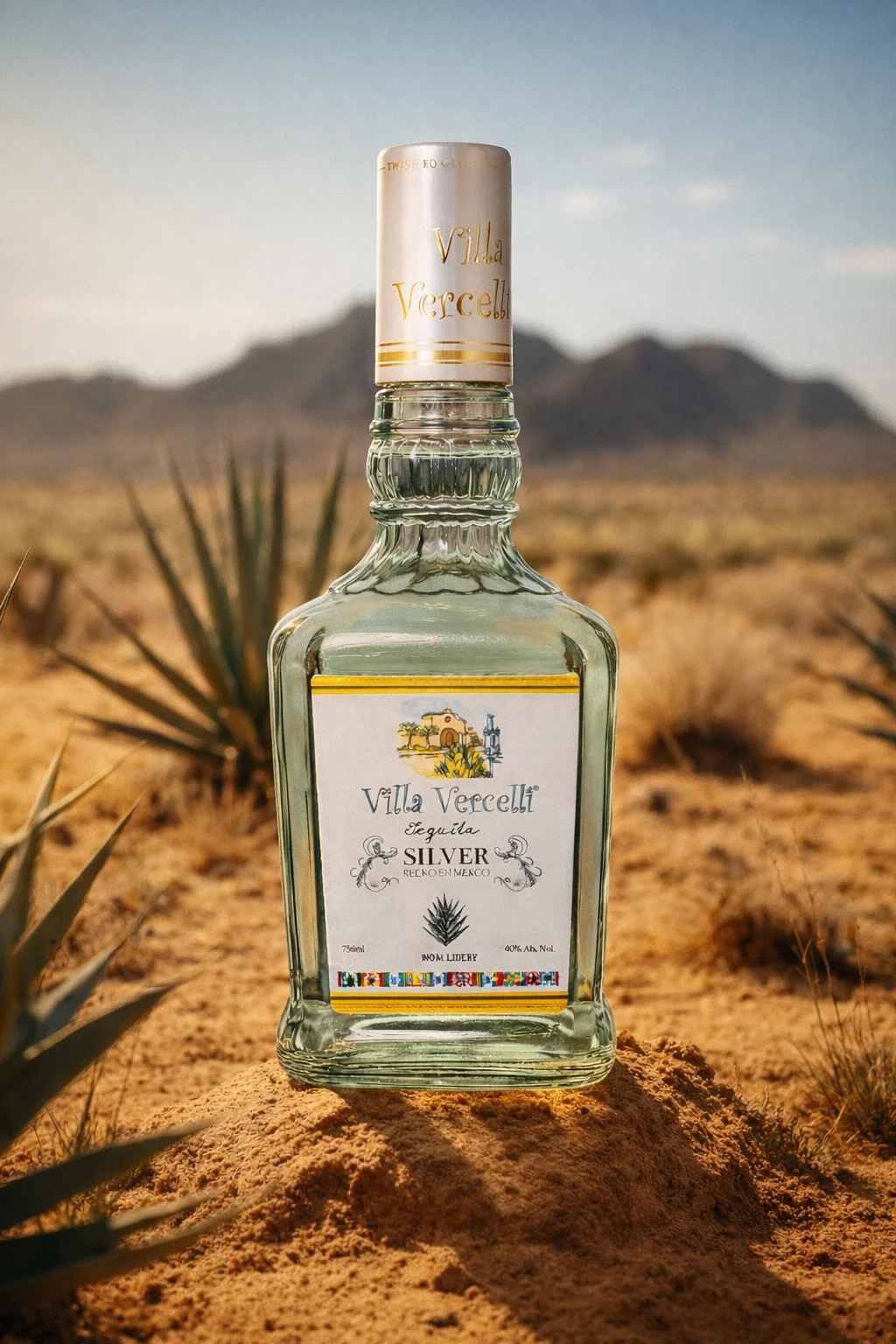
Tequila is always made from Blue Weber Agave — but the magic is in how long it rests. Blanco is the youngest, bottled almost immediately, so it stays crisp, bright and unapologetically agave. Reposado takes a short pause in oak — and that little nap adds creaminess, a touch of caramel, and soft warmth. Añejo takes its time — ageing longer to build deeper flavour, more character, more richness. And Extra Añejo? That’s the slow-crafted, special-occasion kind — aged for years, with smoothness that feels almost silky. Same plant. Same spirit. But a whole new personality unlocked just by giving it time to breathe.

Understanding “Aged”, “Extra Aged” & “XO” — The Elegance of Time in a Bottle
When it comes to premium spirits, age isn’t just a number — it’s a story whispered through barrels, seasons, and the patience of craftsmanship. Spirits labelled Aged, Extra Aged, or XO don’t simply spend time resting; they evolve. Aged spirits typically mature for a defined minimum period, allowing the liquid to absorb character from the wood — hints of vanilla, spice, caramel, or toasted oak. Move into Extra Aged, and the transformation deepens: the spirit becomes rounder, smoother, more layered, shaped by longer years and more complex barrel interactions. And then there’s XO — “Extra Old” — a category reserved for spirits that have matured significantly longer, developing remarkable depth, elegance, and richness. While the exact ageing requirements vary across rum, brandy, and other categories, the idea remains the same: the longer the wait, the more expressive the spirit becomes. It’s less about prestige and more about the artistry of time — crafting flavours only patience can unlock.
Light vs Dark Rum — What Actually Changes?
Rum may come in different colours, but the real difference goes far deeper than appearance. Light rum is typically distilled to be crisp, clean, and subtle — a spirit where the flavours are gentle, smooth, and easy-mixing. It’s often aged for shorter periods sometimes even filtered after aging to keep its profile fresh and bright, making it a favourite for cocktails where the spirit should lift the drink without overpowering it. Dark rum, on the other hand, spends more time in barrels, absorbing richness from the wood and developing deeper notes of caramel, spice, vanilla, and toasted sugar. Its colour comes naturally from this ageing — and sometimes from small additions of caramel for consistency. Where light rum is refined and delicate, dark rum is bold, warm, and full-bodied. The choice comes down to whether you want freshness or depth in your glass.